2025
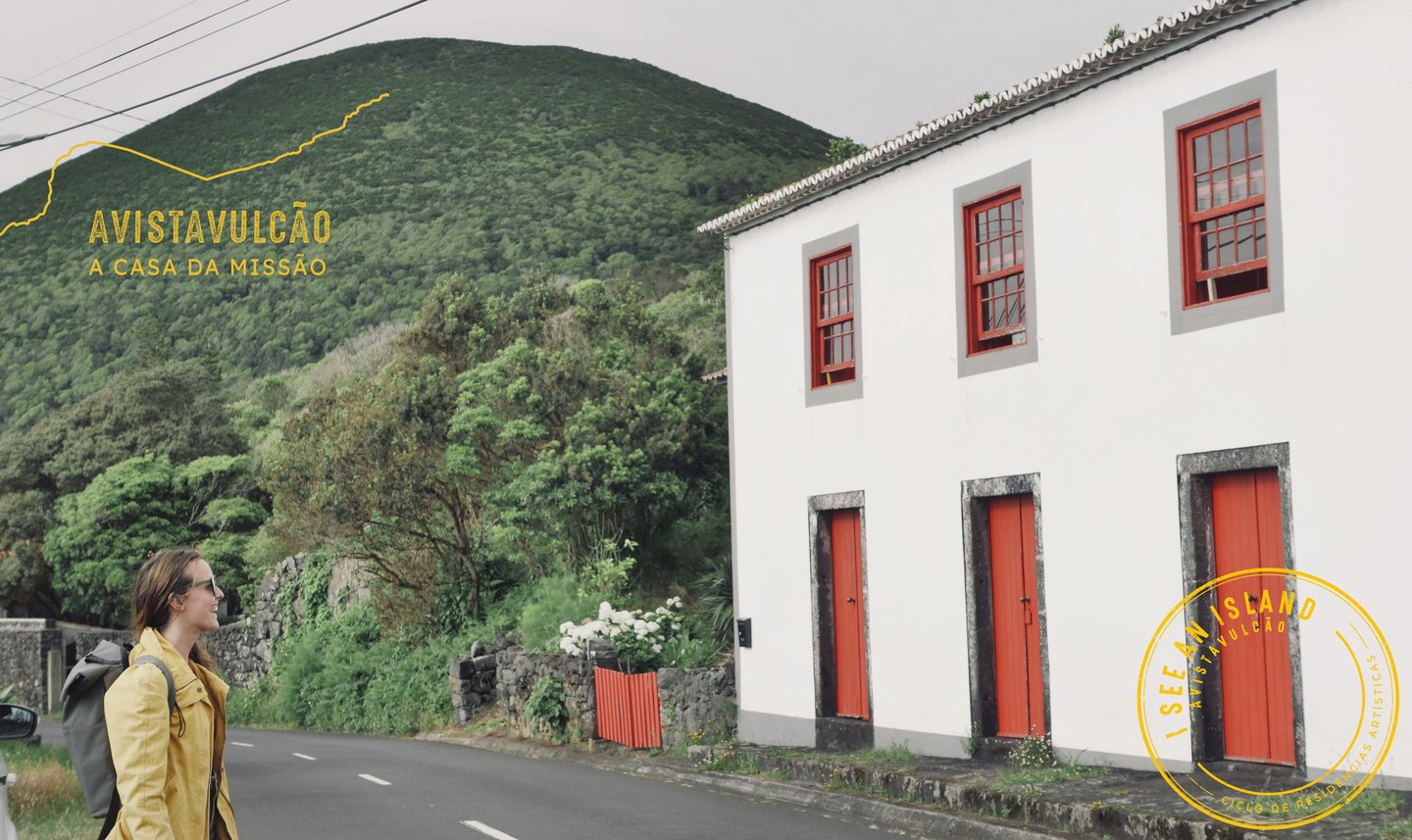
Mariana Camacho (Funchal, 1993), musician, singer and creator, moves between genres, driven by an urge to explore every possible way of making music.
Since 2019, she has been performing solo on the national independent circuit, where she twists and blends musical influences, impressions of the world and whatever else comes her way, without rules. She has been deepening her research and leading workshops centred on traditional work songs, as a starting point for rediscovering the potential of the voice as a living element, which inhabits places, reflects landscapes, and possesses weight and substance.
In recent years, she has been gaining recognition in musical composition and performance, in theatre and dance productions.
She is currently preparing her first solo album, due for release in 2026.
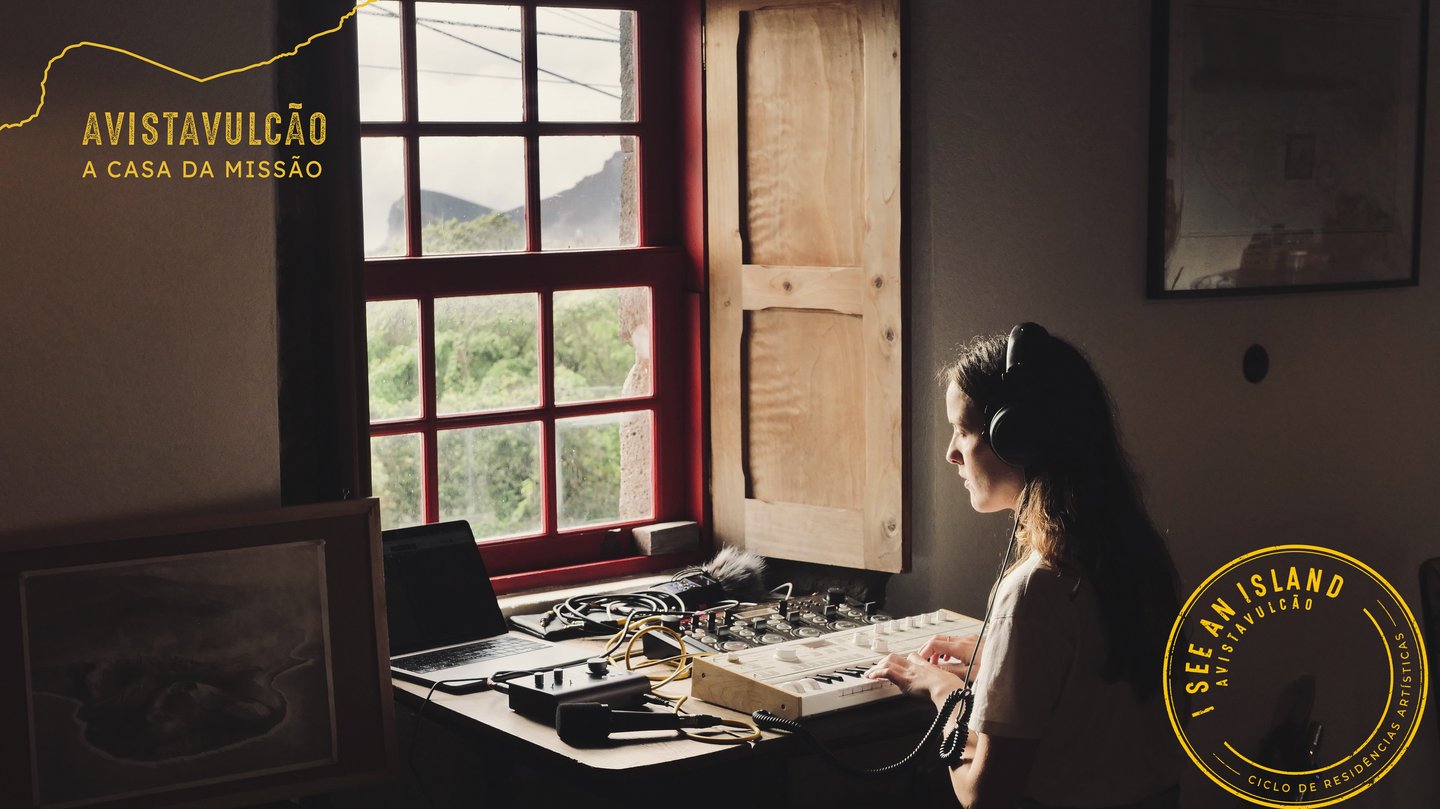
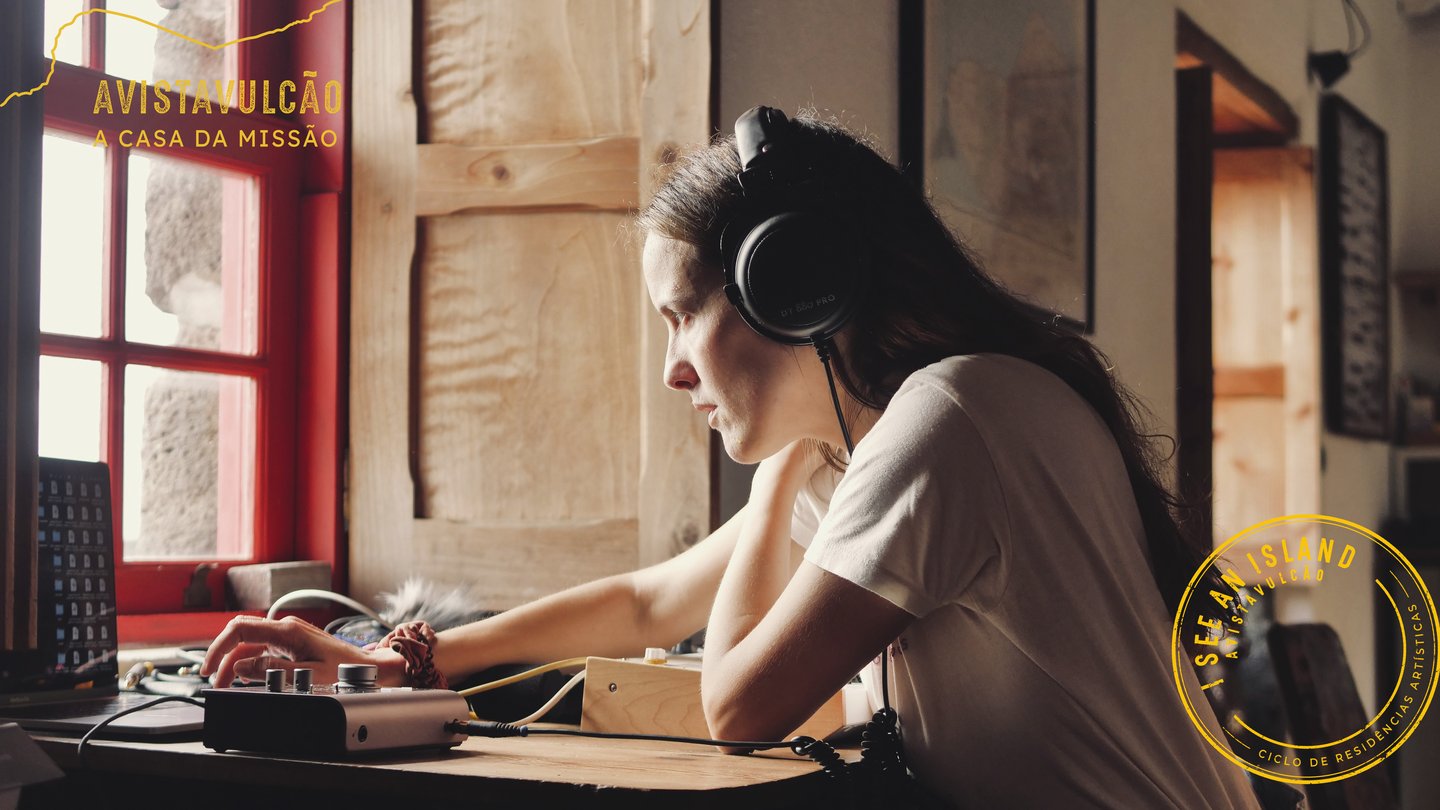
Starting with the question “How does one sing whilst working?”, during her residency the Madeiran artist collected and reinterpreted folk songs from the Azorean songbook, reviving the wisdom and singing traditions of past generations. She is interested in investigating the connection between environment, movement and sound, exploring the collective memory embedded in folk songs and the way in which these continue to resonate in contemporary life.
Following this period of immersive research, the artist will compose original pieces inspired by her experience in the region, merging landscape, body and voice into a single artistic gesture.
“I am interested in investigating the relationship between landscape (environment), the body (movement) and the voice (song) in the simultaneous act of working and singing. How do the environment and the task influence the body’s movement, and how does this impact the way one sings? What melodies emerge, what rhythms? What is the range of the voice, where does it come from, where does it go? What words are woven into the melody? What physical and symbolic burdens are involved in the lives of those who work and sing, and how are these expressed in song?”
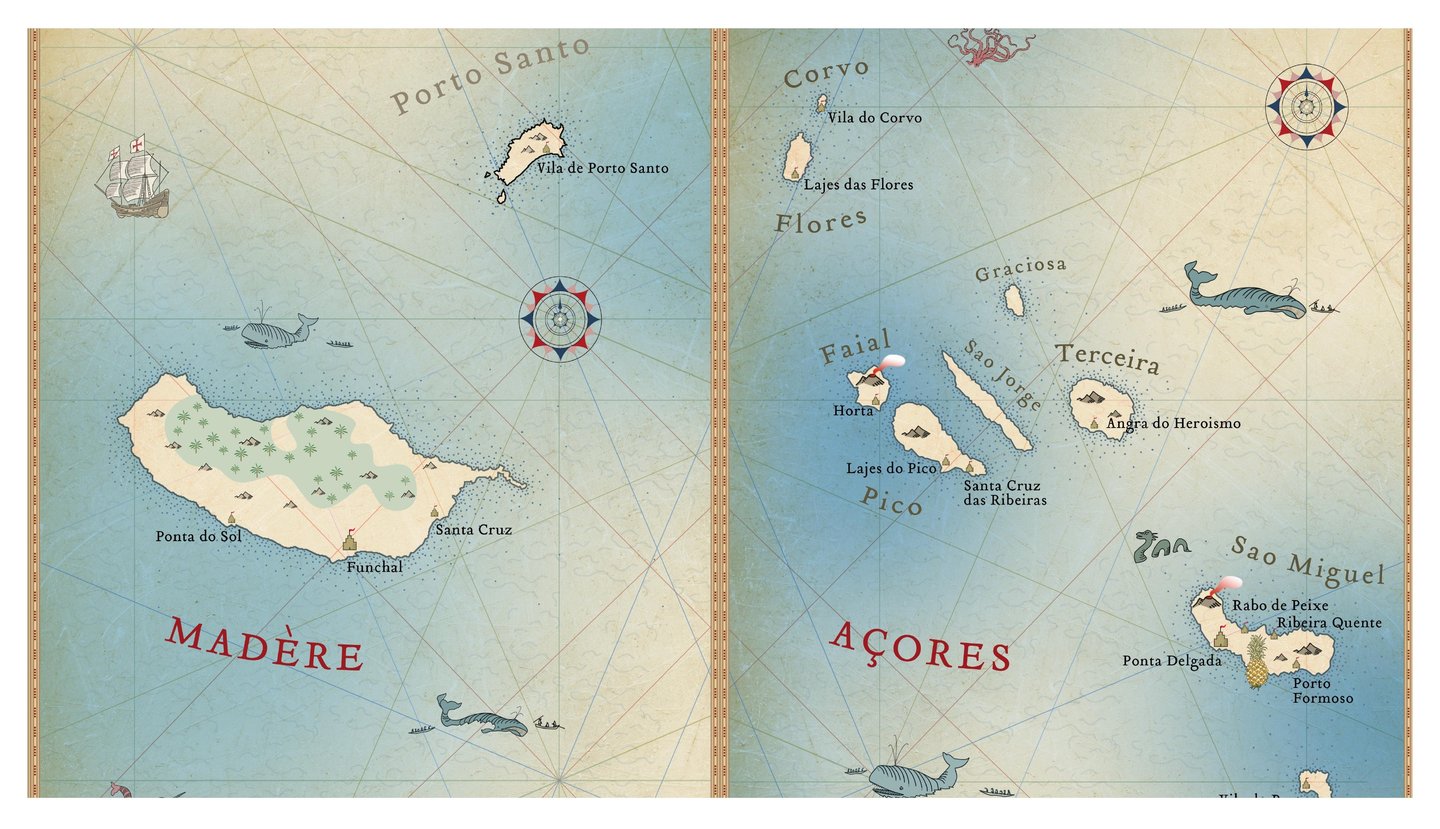
The residency of Madeiran artist Mariana Camacho forms part of the ‘ILHAS UNIDAS’ project
Archipelagos, often seen as isolated geographical entities, are in fact living constellations of memory, culture and resistance. Each island has its own identity, but they all share a common language: that of insularity — made up of silence, wind, tides and, above all, voices. Island songs, born of labour, longing, celebration or sorrow, transcend time and bring together communities which, though distant on the map, recognise one another in the sound that echoes from their shores.
Building bridges between archipelagos is to affirm that there is far more to unite us than to separate us. It is to allow the stories sung in Azorean voices to engage in dialogue with the melodies of Madeira or other islands scattered across the world. It is to listen to what is ancestral and new in these voices and to understand that insularity is not isolation — it is depth.
In an increasingly fast-paced and fragmented world, listening to and circulating these songs — and the artists who collect, reinvent and share them — is an act of care and connection. Strengthening the bonds between archipelagos is also to strengthen a collective insular imagination, which transcends borders and proposes a vision of the world where culture is born of listening, of connection and of the natural rhythm of life.
Thus, by building bridges between islands, we also create paths to the future — where art, voice and memory continue to sail together.
CREATIVE WORKSHOP WITH EBI-JI CAPELO AND PRAIA DO NORTE SCHOOL
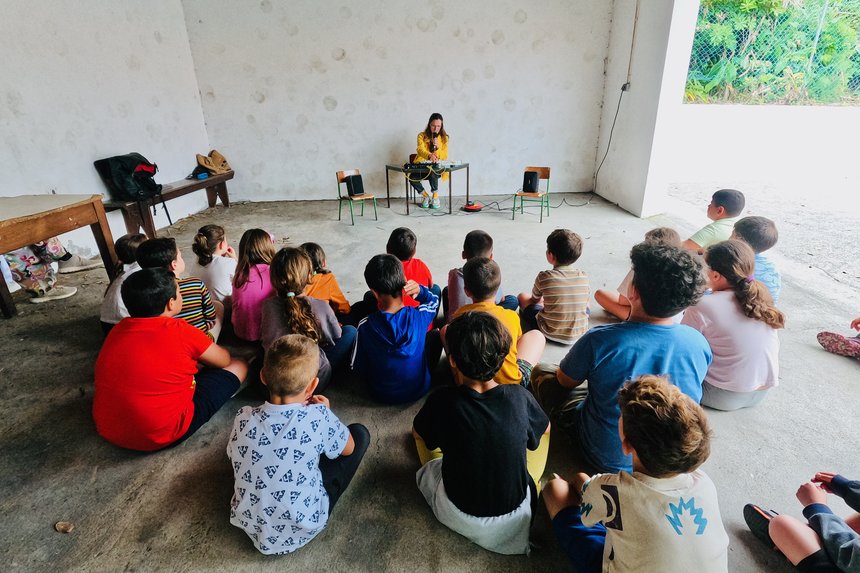
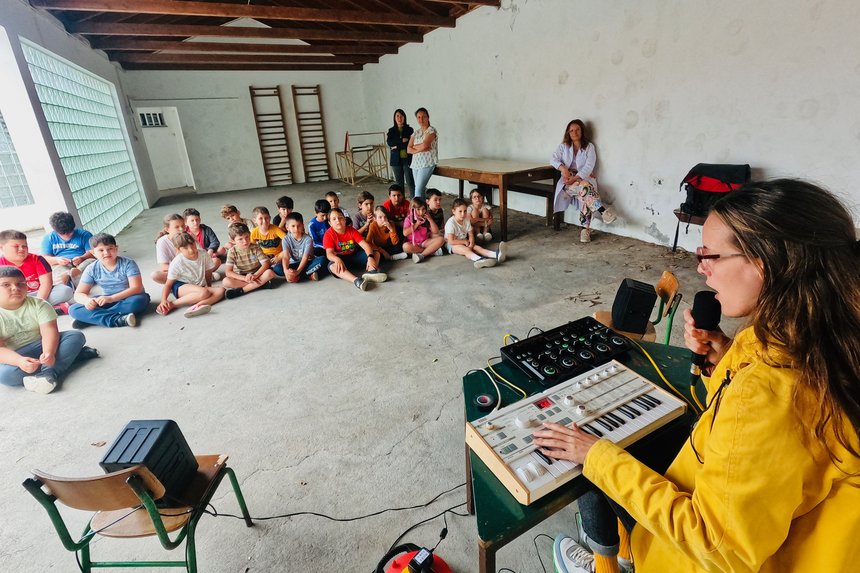
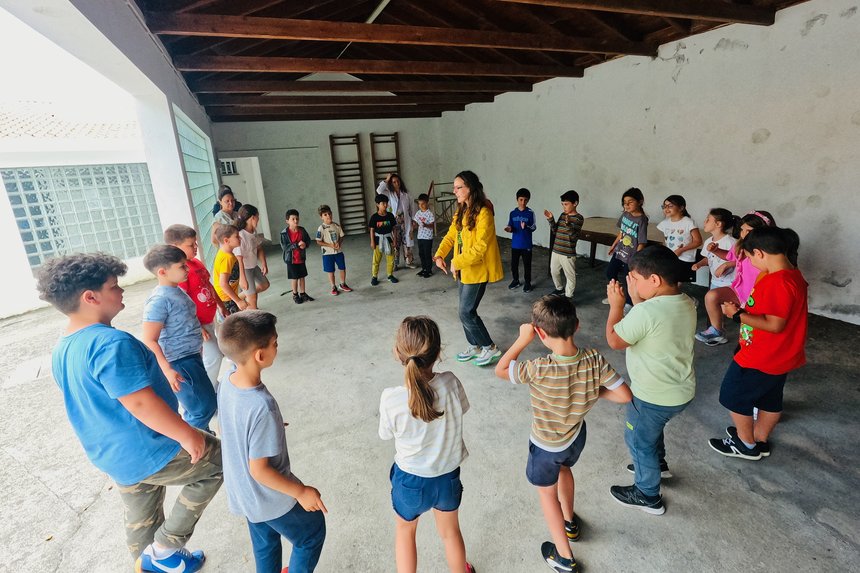
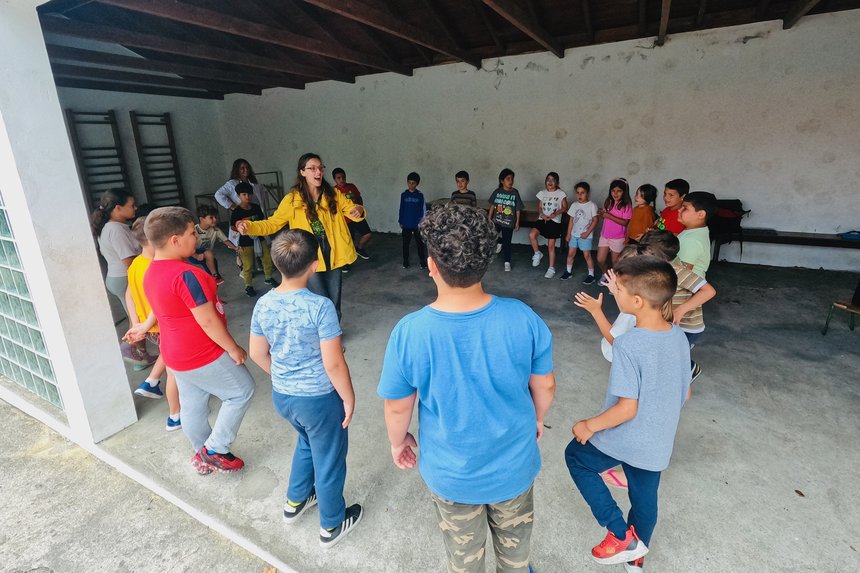
Mariana Camacho also led a workshop with children from the primary schools in Capelo and Praia do Norte, where she performed original songs and facilitated an interactive activity combining voice, movement and physical expression. Throughout the workshop, the children were encouraged to use their voices and bodies as creative instruments, experimenting with sounds, rhythms and gestures in group activities.
It was an opportunity for the artist to foster the development of the children’s creativity, imagination and sensory intelligence. By exploring different forms of sound and physical expression, the children learn to perceive and respond to the world through their senses, developing greater awareness of their own bodies, active listening and interaction with others.
The workshop proved to be a space for artistic discovery and the stimulation of creative thinking, which is so essential for holistic development in childhood.